










We never sell your data to third parties
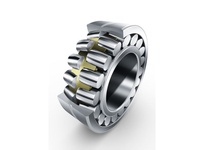
Image for Illustration purposes only. Actual product may vary
FAG 23172MB spherical roller bearing with 360mm bore. Features an inner ring guided cage for reliable operation under heavy loads. Designed for high radial and axial load capacity in industrial applications. Precision engineered by Schaeffler for durability and performance.
MODEL 23172MB
$16,182.17 Each
Prices are subject to change
FREE SHIPPING ON ORDERS OVER $100
Select Quantity
Typically Ships in: 1 day
Returnable:No
Bearing Material
Steel
Bore Type
Straight
Cage
Inner Ring Guided
Cage Material
Brass Cage
Closure Type
Open
Fillet Radius
4.00 mm
Finish Coating
Uncoated
I.D.
14 1/6 in
Internal Clearance
C0
Lubrication Hole Type
Lubrication Groove & Hole
Max Rpm
1120 rpm
O.D.
600 mm
Operating Temperature Range
-30 of +200°C
Outer Ring Type
Not Split
Overall Width
192 mm
Precision Rating
Not Rated
Product Type
Spherical Roller Bearings
Series
231
Specifications
| d | 360 mm | |
| D | 600 mm | |
| B | 192 mm |
| D 1 | 520 mm | |
| D a max | 580 mm | |
| d a min | 380 mm | |
| d s | 12, 5 mm | |
| n s | 23, 5 mm | |
| r a max | 4 mm | |
| r min | 5 mm |
| Mass | 227 kg | m |
|---|---|---|
| Basic dynamic load rating, radial | 3800000 N | C r |
| e | 0, 33 | |
| Y 1 | 2, 06 | |
| Y 2 | 3, 06 | |
| Basic static load rating, radial | 7350000 N | C 0r |
| Y 0 | 2, 01 | |
| Limiting speed | 1030 1/min | n G |
| Reference speed | 560 1/min | n B |
| Fatigue limit load, radial | 355000 N | C ur |


How do I choose the right type of bearing for my application?
Start with the load and how it’s applied. You need to know if you’re dealing with radial loads, axial loads, or a mix of both. Then look at speed, operating environment, and space constraints. For example, ball bearings are great for high speed and lighter loads, while roller bearings handle heavier loads but usually at lower speeds. If there’s contamination, moisture, or heat involved, you may need sealed bearings or specific materials. In most cases, the right choice comes down to matching load type, speed, and environment to the bearing design.
