










We never sell your data to third parties
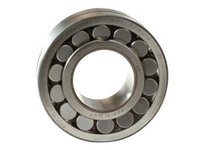
Image for Illustration purposes only. Actual product may vary
Link-Belt 22230LBKC0 (Rexnord 10411633) is a 22200LBK series spherical roller bearing insert with a 5.906" (150 mm) tapered bore and C0 normal clearance. This unmounted replacement bearing features a steel retainer and is rated for 1600 rpm grease / 1850 rpm oil. The 52100 bearing steel insert is designed for heavy-duty industrial applications requiring high radial and axial load capacity.
MODEL 10411633
Contact supplier for technical support on: 800-626-2120
$1,681.88 Each
Prices are subject to change
FREE SHIPPING ON ORDERS OVER $100
Select Quantity
Typically Ships in: 1 day
Returnable: Yes
Bearing Type
Spherical roller brg
Bore size (in)
5.9055 in
Bore size (mm)
150 mm
Bore type
Tapered
C dynamic load rating
190000 lb
Co static load rating
270000 lb
Housing fillet radius (in)
0.1 in
Locking Type
Tapered Bore
Max shoulder diameter (in)
10.10 in
Maximum Speed (RPM)
1600 GREASE - 1850 OIL rpm
Maximum Speed Using Grease (RPM)
1600 RPM
Maximum Speed Using Oil (RPM)
1850 rpm
Minimum Shoulder Diameter (in)
6.5 in
Mounted clearance
C0 NORMAL
Outside diameter (in)
10.6299 in
Retainer type
Steel
Sealed
None
Size code
22230
Vibration frequency fundamental train
0.0070 cps
Vibration frequency inner ring defect
0.1740 cps
Vibration frequency outer ring defect
0.1260 cps
Vibration frequency roller spin
0.0500 cps
Product Features
- Cylindrical or Tapered bore
- Roller riding retainers
- Self aligning
- High Capacity



How do I choose the right type of bearing for my application?
Start with the load and how it’s applied. You need to know if you’re dealing with radial loads, axial loads, or a mix of both. Then look at speed, operating environment, and space constraints. For example, ball bearings are great for high speed and lighter loads, while roller bearings handle heavier loads but usually at lower speeds. If there’s contamination, moisture, or heat involved, you may need sealed bearings or specific materials. In most cases, the right choice comes down to matching load type, speed, and environment to the bearing design.