The Evolution of Fluid Pumps
Pumps are at the heart of modern industry. Their journey from ancient water-lifting devices to modern machines spans thousands of years. Here are six milestones in how pumps evolved.
Explore Pump Solutions
One of the earliest water lifting devices, the shaduf used a simple lever system with a counterweight and bucket.
Not a pump in the modern sense, but it introduced a key idea: using mechanical advantage to move water efficiently.
One of the first true pumps, this design used a rotating helical screw inside a cylinder to lift water along a spiral path.
Simple, durable, and still used today in irrigation and wastewater systems.
Developed in Alexandria, this was the first pump to use pistons, valves, and pressure cycles.
This concept remains the foundation for many modern positive displacement pumps.
Papin introduced a new principle: using rotational energy to move fluids outward.
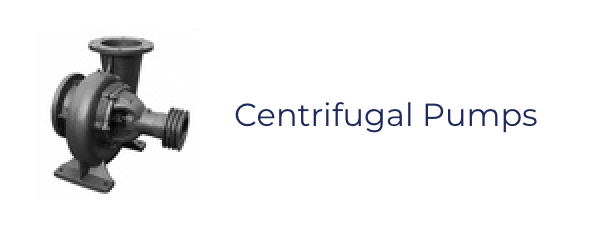
This laid the groundwork for centrifugal pumps, now the most widely used pump type in industry.
By pairing pumps with steam power, Thomas Newcomen solved a major industrial problem: flooding in mines.
This allowed deeper excavation and played a key role in the Industrial Revolution.
Today, pumps range from microscopic medical devices to some of the largest machines ever built.
- Micro pumps smaller than a grain of rice deliver precise drug doses
- Industrial pump arrays can exceed 186,000 horsepower
- Systems like India’s Kaleshwaram project operate at enormous scale to move water across regions
DID YOU KNOW?
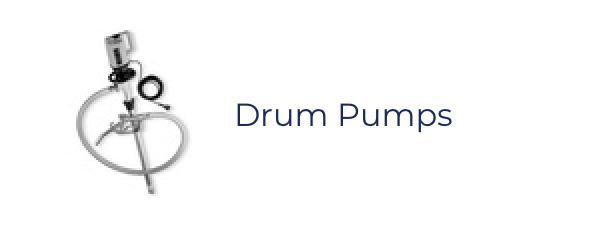
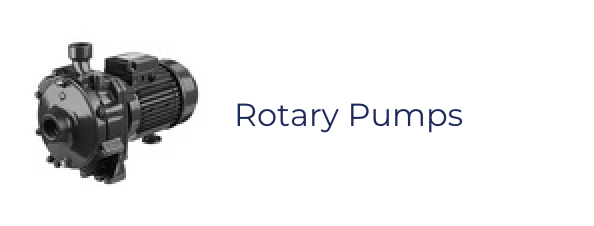
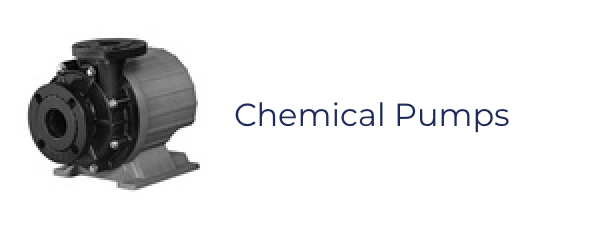
Whether you need precision dosing or heavy duty centrifugal systems, we stock the equipment to keep your operation running.
Explore Pump Solutions
Everything You Need to Keep Flow Moving
From complete pump systems to seals, fittings, and replacement parts, find what you need to install, maintain, and keep operations running without downtime.