








Winter Conveyor Checklist

Winter finds the weak spot overnight.
A running belt stays warm. A stopped one doesn't. Here is what freezes first, and a walk-down for your site.
Most cold-weather conveyor failures start during a shutdown. Moisture freezes on the drive pulley, carryback locks onto the return idlers, grease stiffens in the bearings, and the first start of the morning finds every weak point at once.
A tight belt can still slip.
Ice between belt and drive pulley takes away the friction the drive depends on. Uneven ice across the face sends the belt off track.
Deice drive pulleys before any long shutdown, and do lagging repairs while it is still above 41 F.
A seized idler doesn't squeal. It wears flat.
A few millimetres of ice is enough to push the belt off centre, and a belt dragging over a seized roller can overheat.
Walk the running belt now and replace any roller that growls or won't turn.
A frozen screw needs heat, not another start.
Material freezes to the trough and flights overnight. Hitting start again strains the motor and gearbox, and a screw that breaks free can lurch.
Empty screws that will sit in the cold, or heat-trace and insulate the trough.
Your winter walk-down
Pick the coldest night your site sees. Items that change at that temperature are flagged. Tick each one off as your crew works through it.
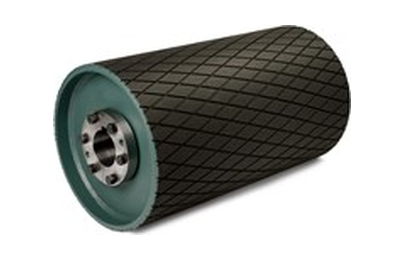 Drive pulleys and laggingCheck thisBefore the freeze
Check: Lagging wear and delamination, and any pulley that slipped last winter.
Fix: Repair lagging now: cold-bond needs 41 to 113 F and humidity under 80%. Stock deicer and pre-treat slip-prone pulleys before shutdowns. Where wet slip is chronic, ceramic lagging grips far better than plain rubber.
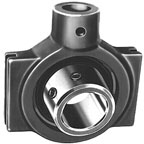 Take-upsCheck thisBefore the freeze
Check: Gravity carriages travel freely with guides clear of ice. Screw take-ups have adjustment left.
Fix: Don't cure slip with tension: over-tensioning brings mistracking, bearing damage and splice damage.
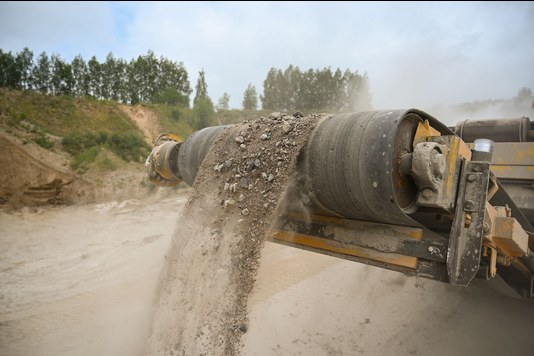 Belt cleaner bladesCheck thisBefore the freeze
Check: Each blade's rated low temperature against your coldest night. Re-tension every cleaner.
Fix: Carbide suits fine, wet or sticky material, but Martin advises against it on belts with several mechanical splices.
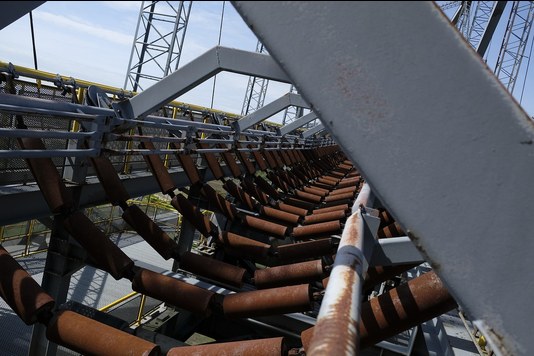 Idlers and rollersCheck thisNow, belt running
Check: Walk the running belt and listen. Look for ice rings and flat spots on return rollers.
Fix: Replace any roller that squeals, growls or won't turn. On belts that ice up every year, consider plastic shell or disc return rollers.
 Bearing greaseCheck thisBefore the freeze
Check: Regreasable pulley, take-up and hanger bearings.
Fix: Switch to a cold-weather grease before the first freeze. For very low continuous temperatures, NLGI suggests a synthetic base oil in a softer NLGI 1 grade.
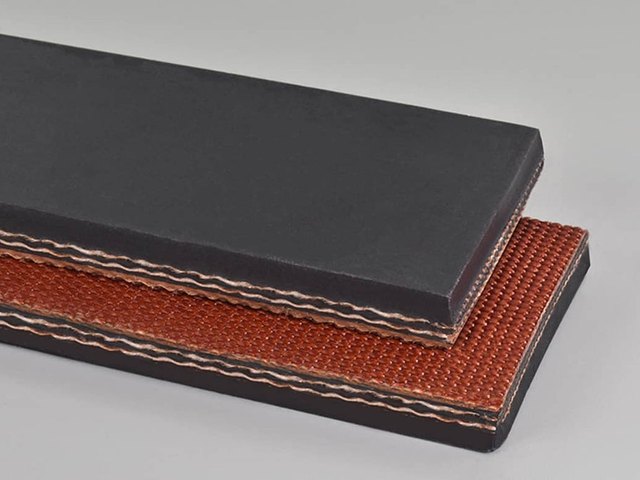 Belt covers and splicesCheck thisBefore the freeze
Check: Cover compound rating and splice condition on every belt that runs outdoors.
Fix: Keep a mechanical fastener kit for each belt on site: a fastener splice takes under an hour, a vulcanised splice four to six.
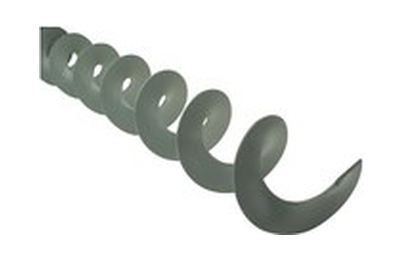 Screw conveyorsCheck thisBefore the freeze
Check: Hanger bearings, coupling shafts and trough covers. Which screws will sit idle in the cold?
Fix: Never keep hitting start on a frozen screw. Stock spare hanger bearings and coupling shafts.
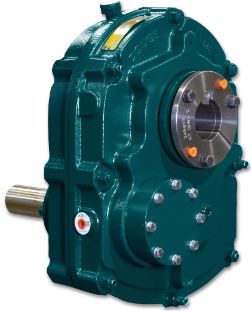 Reducer oilCheck thisBefore the freeze
Check: Every outdoor gearbox against its nameplate and manual. Vents clear of snow.
Fix: Pour point is not a safe-start temperature: oil stops flowing well before it. A soft starter takes the shock out of cold starts, but deice first.
 Patrols, deicer and walkwaysCheck thisEvery shift
Check: Exposed belts every shift once it stays below freezing, twice a shift in the deepest cold.
Fix: Keep deicer, sand or floor-dry on hand. Sand walkways and keep three points of contact on ladders.
LOTOLockout before clearing iceCheck thisEvery time
Check: Lockout at the disconnect, not the start/stop controls, which do not cut the power conductors. Test that power is off.
Fix: Block the belt in both directions and relieve take-up tension, because stored energy can remain. Never clear ice from a running conveyor.
Clearing ice is when people get hurt
In 1997 a miner was killed thawing frozen mud at a conveyor tail pulley with a propane burner. The guard was off and the conveyor was not locked out (MSHA).
Lock out at the disconnect, test it, block the belt both ways and relieve take-up tension before anyone touches ice.
Any material. Any size. Any application.
Rubber · PVC · PU · Nylon · Nitrile · Modular
Tell our sister site conveyor-belt.com what you run and the conditions it works in, and get it quoted.
Get a belt quote Browse all belts ›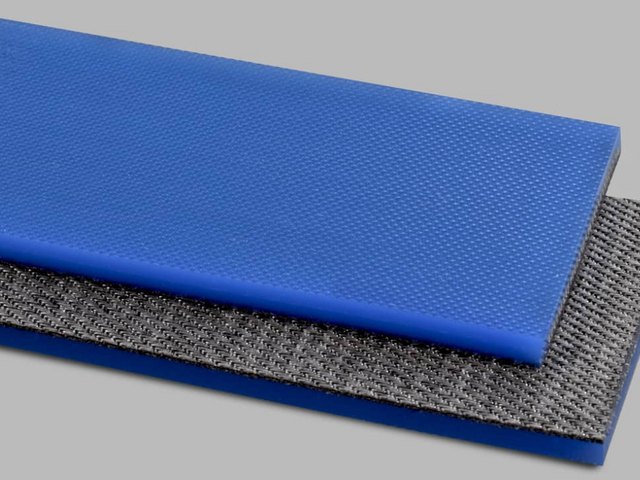

What maintenance teams reorder most
MROSupply orders, last two yearsDodge WSTU-SC-207 take-up unit2-7/16 in. bore. Our most reordered take-up.View product › Dodge SCXT115E screw conveyor reducerShaft-mount screw conveyor drive.View product › Dodge SCHB-SC-215 hanger bearing2-15/16 in. screw conveyor hanger.View product › 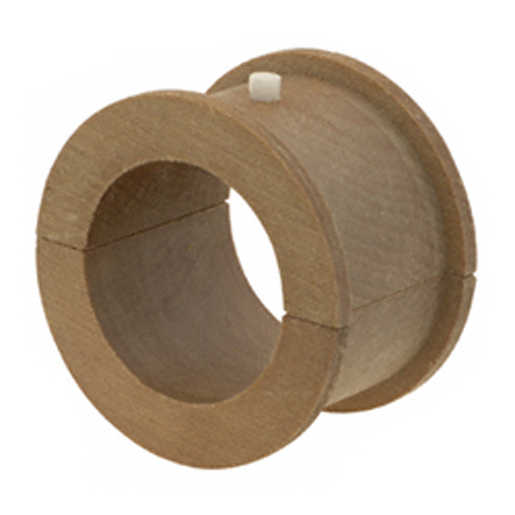 Martin CHB2206W hanger bearing3 in. wood bearing, #220/226.View product ›
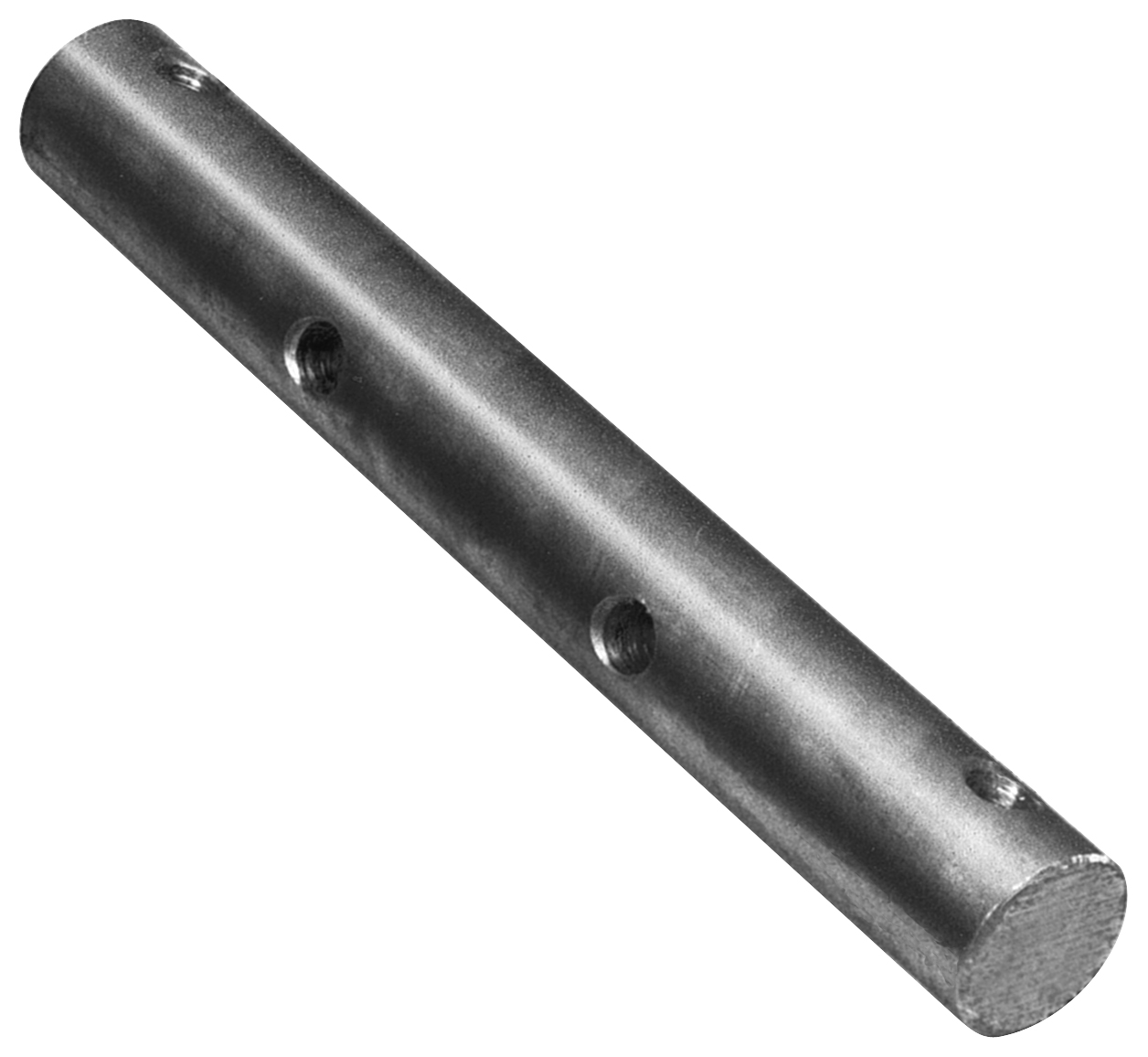 Martin CC4 coupling shaft2 in. screw conveyor coupling.View product ›
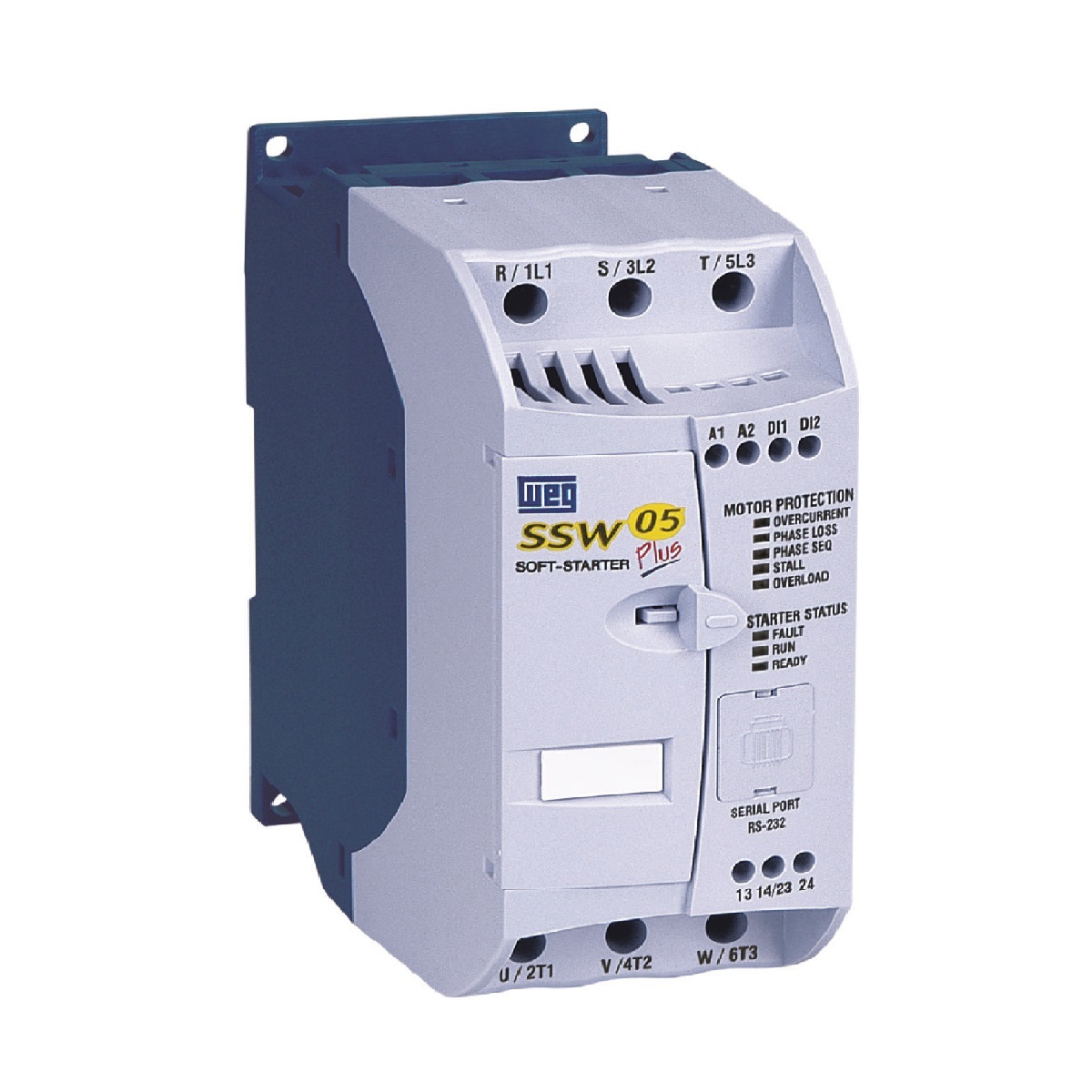 WEG SSW05 soft starter, 85 ASofter cold starts for the drive train.View product ›
 Martin CSW14051X30 wing pulley14 x 51 in., XT30 hub.View product ›
 Dodge WSTU-SC-115 take-up unit1-15/16 in. bore, wide slot.View product ›
Shop outdoor conveyor parts
Dodge, Martin Sprocket, Browning and moreScrew Conveyors  Screw Conveyor Accessories
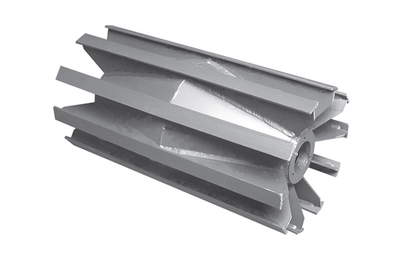 Wing Pulleys Crowned Pulleys
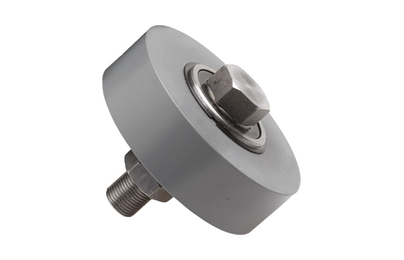 Flat Pulleys
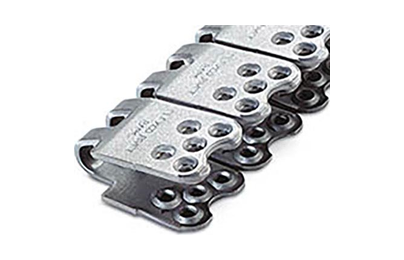 Conveyor Belting