











We never sell your data to third parties
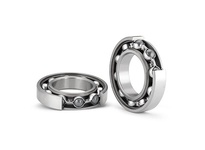
Image for Illustration purposes only. Actual product may vary
Koyo 3NC6236-1ZZ FY is a deep groove ball bearing with a 36 mm straight bore, double shielded (ZZ) for contamination protection, and features ceramic balls for reduced friction and high-speed capability. Suitable for electric motors, pumps, and general industrial rotating equipment.
MODEL 3NC6236-1ZZ FY
$4,923.69 Each
Prices are subject to change
FREE SHIPPING ON ORDERS OVER $100
Select Quantity
Typically Ships in: 1 day
Returnable: See conditions
Bearing Material
Ceramic
Bore Diameter
180 mm
Closure Type
Non-Contact Double Shielded
Dynamic Load Capacity
264 kN
Maximum RPM
1800 rpm Grease
Number of Rows
1
O.D.
320 mm
Operating Temperature Range
-30 to 120 deg C
Series
EXSEV
Static Load Capacity
226 kN
Type
Caged
Width
52 mm
Single Row Angular Contact Bearings The Koyo Bearing 3NC6236-1ZZ FY is a high-performance ceramic ball bearing designed for precision applications in automotive and industrial sectors. Engineered with advanced materials and innovative design, this bearing offers exceptional durability and reliability, making it an ideal choice for a wide range of demanding applications.
Key Features
| Ceramic Ball Construction | Utilizes ceramic balls that provide superior hardness and reduced friction, enhancing performance and lifespan. |
|---|---|
| Single Row Angular Contact Design | Specifically engineered to accommodate axial loads in one direction, ensuring optimal performance in high-speed applications. |
| High-Temperature Resistance | Capable of withstanding elevated temperatures, making it suitable for environments where traditional materials may fail. |
| Low Noise Operation | Designed to minimize vibrations and noise, ensuring a smoother and quieter operation. |
| Durability | Constructed to endure high radial loads, this bearing is built for longevity in rigorous conditions. |
Applications
| Automotive | Ideal for use in automotive components such as electric power steering systems and driveline applications, where reliability and precision are critical. |
|---|---|
| Industrial Machinery | Suitable for various industrial machinery, including conveyor systems and high-speed rotary applications. |
| Heavy Equipment | Compatible with heavy machinery requiring robust and durable bearing solutions, ensuring maximum uptime and efficiency. |
Benefits
| Enhanced Performance | The ceramic construction and angular contact design contribute to improved operational efficiency, reducing maintenance intervals and costs. |
|---|---|
| Reliability | Koyo's commitment to high-quality manufacturing ensures that this bearing can withstand harsh operational environments, providing peace of mind for users. |
| Innovative Design | Leverage Koyo's engineering excellence and technological leadership to enhance the performance of your machinery and equipment. |
How do I choose the right type of bearing for my application?
Start with the load and how it’s applied. You need to know if you’re dealing with radial loads, axial loads, or a mix of both. Then look at speed, operating environment, and space constraints. For example, ball bearings are great for high speed and lighter loads, while roller bearings handle heavier loads but usually at lower speeds. If there’s contamination, moisture, or heat involved, you may need sealed bearings or specific materials. In most cases, the right choice comes down to matching load type, speed, and environment to the bearing design.
What is the difference between deep groove and angular contact ball bearings?
Deep groove ball bearings are the most common type. They’re designed to handle mainly radial loads, but they can also take some axial load in both directions. They’re simple, versatile, and used in everything from motors to conveyors. Angular contact ball bearings are built for combined loads, especially where there’s significant axial force in one direction. They’re often used in pairs and are common in higher precision or higher load applications like pumps and gearboxes. If your load is mostly radial, go deep groove. If axial load matters more, angular contact is usually the better choice.