











We never sell your data to third parties
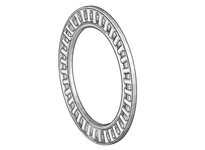
INA TC2031 Thrust needle cage assembly
MODEL TC2031
Returnable:No
O.D.
1 1/4
Specifications
| D c1 | 1 1/4 inch |
|---|---|
| D c1 | 31, 75 mm |
| D c | 1, 938 inch |
| D c | 49, 213 mm |
| D w | 0, 078 inch |
| D w | 1, 984 mm |
| E a | 1, 85 inch |
|---|---|
| E a | 47 mm |
| E b | 1, 319 inch |
| E b | 33, 5 mm |
| m | 0, 022 lbs | Mass |
|---|---|---|
| m | 0, 01 kg | Mass |
| C a | 4500 lbf | Basic dynamic load rating, axial |
| C a | 19900 N | Basic dynamic load rating, axial |
| C 0a | 20500 lbf | Basic static load rating, axial |
| C 0a | 91000 N | Basic static load rating, axial |
| n G | 7100 1/min | Limiting speed |

How do I choose the right type of bearing for my application?
Start with the load and how it’s applied. You need to know if you’re dealing with radial loads, axial loads, or a mix of both. Then look at speed, operating environment, and space constraints. For example, ball bearings are great for high speed and lighter loads, while roller bearings handle heavier loads but usually at lower speeds. If there’s contamination, moisture, or heat involved, you may need sealed bearings or specific materials. In most cases, the right choice comes down to matching load type, speed, and environment to the bearing design.


