










We never sell your data to third parties
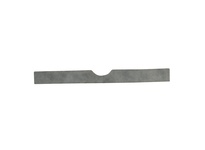
Link-Belt 131Y3667 10429587 shims are cast iron bearing shims designed for precise alignment and spacing in mounted bearing assemblies. These shims provide reliable adjustment for industrial equipment.
MODEL 10429587
Contact supplier for technical support on: 800-626-2120
$59.24 Each
Prices are subject to change
FREE SHIPPING ON ORDERS OVER $100
Select Quantity
Typically Ships in: 1 day
Returnable: Yes
Series
Shims
Rigid sleeve bearing units provide compact and reliable usage in applications where continuous operation and uninterrupted service are required. Because the bearing material wears gradually, sudden breakdowns and costly maintenance are minimized. Sleeve bearings can also operate extremely quietly. The standard bearing materials of babbitt, bronze and cast iron will handle a wide variety of applications such as on log decks, sewage treatment equipment, furnaces and ovens, quiet operating fans and blowers, power plant dampers and stokers, oscillating shaft applications and other general conveying and power transmission machinery.
Babbitt bearings are used for moderate speeds and loads and ambient temperatures up to 130°F (54°C). Babbitt has the ability to give excellent service with a minimum of maintenance.
Bronze bearings are recommended for heavier loads, impact, and temperatures beyond the limits of babbitt bearings. They can be operated at ambient temperatures up to 300°F (149°C) providing satisfactory lubrication is available. Bronze has excellent all-around bearing characteristics; it has a relatively low coefficient of friction and a remarkable resistance to shock and wear.

How do I choose the right type of bearing for my application?
Start with the load and how it’s applied. You need to know if you’re dealing with radial loads, axial loads, or a mix of both. Then look at speed, operating environment, and space constraints. For example, ball bearings are great for high speed and lighter loads, while roller bearings handle heavier loads but usually at lower speeds. If there’s contamination, moisture, or heat involved, you may need sealed bearings or specific materials. In most cases, the right choice comes down to matching load type, speed, and environment to the bearing design.

