











We never sell your data to third parties
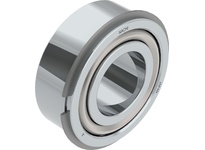
Nachi Bearing 5201NR BNLS 12mm Inner Diameter x 32mm Outer Diameter x 15.9mm Width Double Row Angular Contact Ball Bearing
MODEL 5201NR
This vendor has a minimum order quantity of 3. Order minimum ($) may be applied. Add desired QTY to cart and proceed to checkout to view minimum
Contact supplier for technical support on: 800-829-5787
$29.88 Each
Prices are subject to change
FREE SHIPPING ON ORDERS OVER $100
Select Quantity
Brand Minimum Order Quantity: 3
Typically Ships in: 1 day
Returnable: See conditions
Bearing Material
Steel
Bore Type
Cylindrical
Cage Material
JIS S55C Steel
Closure Type
Open
Contact Angle (Deg)
20°
Dynamic Load Capacity (N)
10700
Grease Fill
No Fill
Inner Diameter (mm)
12
Inner Ring Material
JIS SUJ2 Steel
Internal Clearance
CN/C0
ISO Precision Class
P0
Limiting Speed - Grease (RPM)
16000
Limiting Speed - Oil (RPM)
22000
Max Operating Temp.
120°C (248°F)
Number of Rows
2
Outer Diameter (mm)
32
Outer Ring Material
JIS SUJ2 Steel
Preload
N/A
Rolling Element Material
JIS SUJ2 Steel
Seals or Shields
No
Series
5200
Snap Ring
Yes
Static Load Capacity (N)
5950
Universally (Flush) Ground
N/A
Width (mm)
22000
Double-Row Angular Contact Ball Bearings have a thinner width than 2 stacked Deep-Groove bearings & can sustain combined loads of simultaneously acting radial and axial loads because they have a contact angle (α). The contact angle is defined as the angle between the line joining the points of contact between the ball and the raceways in the radial plane. The construction of this ball bearing is similar to mounting two single row angular ball bearings back to back (DB).
Capacities of double row ball bearing is less than single row since few balls can be inserted per row.
This bearing type can sustain radial, moment and bi-directional axial loads.
How do I choose the right type of bearing for my application?
Start with the load and how it’s applied. You need to know if you’re dealing with radial loads, axial loads, or a mix of both. Then look at speed, operating environment, and space constraints. For example, ball bearings are great for high speed and lighter loads, while roller bearings handle heavier loads but usually at lower speeds. If there’s contamination, moisture, or heat involved, you may need sealed bearings or specific materials. In most cases, the right choice comes down to matching load type, speed, and environment to the bearing design.
What is the difference between deep groove and angular contact ball bearings?
Deep groove ball bearings are the most common type. They’re designed to handle mainly radial loads, but they can also take some axial load in both directions. They’re simple, versatile, and used in everything from motors to conveyors. Angular contact ball bearings are built for combined loads, especially where there’s significant axial force in one direction. They’re often used in pairs and are common in higher precision or higher load applications like pumps and gearboxes. If your load is mostly radial, go deep groove. If axial load matters more, angular contact is usually the better choice.


| Brand | Martin Sprocket |
| Model | E 1 1/2 |


| Brand | MCR Safety |
| Model | 38030MWL |