





We never sell your data to third parties
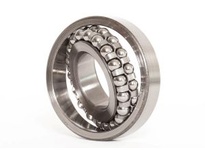
Consolidated Bearings 1308-K SELF-ALIGNING BALL BEARING TAPERED BORE
MODEL 1308-K
$114.45 Each
Prices are subject to change
FREE SHIPPING ON ORDERS OVER $100
Select Quantity
Typically Ships in: 1 day
Returnable: Yes
Self-Aligning Ball Bearing
- Tapered Bore The Consolidated Bearings 1308-K Self-Aligning Ball Bearing is a high-performance component designed for applications that require reliable alignment and rotational efficiency. This self-aligning bearing features a tapered bore, making it ideal for accommodating shaft misalignments and ensuring smooth operation across various industrial applications.
Key Features
- Design: Self-aligning ball bearing with a tapered bore for enhanced alignment capabilities
- Dimensions: Inner Diameter: 40 mm; Outer Diameter: 90 mm; Width: 23 mm, ensuring compatibility with standard shaft sizes
- Material: High-quality chrome steel construction for superior strength and durability
- Load Capacity: Capable of handling both radial and axial loads, optimizing performance in dynamic environments
- Seal Type: Open design allows for easy lubrication and maintenance access
Applications
- Industrial Machinery: Perfect for use in conveyor systems, gearboxes, and agricultural machinery where shaft misalignment can occur
- Automotive: Suitable for various automotive applications, ensuring smooth operation and longevity of vehicle components
- Mining Equipment: Reliable performance in harsh environments, ideal for mining and construction machinery
Benefits
- Enhanced Alignment: The self-aligning feature minimizes wear and prolongs the life of the bearing, reducing maintenance costs
- Reduced Friction: Optimized ball design minimizes friction, contributing to higher efficiency and lower energy consumption
- Versatile Use: Compatible with a wide range of applications, making it a flexible solution for diverse engineering needs --- Product information compiled with AI assistance for reference purposes.
How do I choose the right type of bearing for my application?
Start with the load and how it’s applied. You need to know if you’re dealing with radial loads, axial loads, or a mix of both. Then look at speed, operating environment, and space constraints. For example, ball bearings are great for high speed and lighter loads, while roller bearings handle heavier loads but usually at lower speeds. If there’s contamination, moisture, or heat involved, you may need sealed bearings or specific materials. In most cases, the right choice comes down to matching load type, speed, and environment to the bearing design.
What is the difference between deep groove and angular contact ball bearings?
Deep groove ball bearings are the most common type. They’re designed to handle mainly radial loads, but they can also take some axial load in both directions. They’re simple, versatile, and used in everything from motors to conveyors. Angular contact ball bearings are built for combined loads, especially where there’s significant axial force in one direction. They’re often used in pairs and are common in higher precision or higher load applications like pumps and gearboxes. If your load is mostly radial, go deep groove. If axial load matters more, angular contact is usually the better choice.


| Brand | Consolidated Bearings |
| Model | GS-81210 |

| Brand | Consolidated Bearings |
| Model | N-1019-KMS P/5 |


