









We never sell your data to third parties
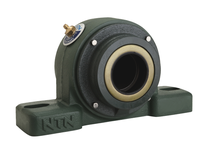
Image for Illustration purposes only. Actual product may vary
NTN SPAW2215N1 sealed spherical pillow block with a 2-15/16 inch bore, set screw lock, and cast iron housing. Designed for heavy-duty industrial applications requiring self-alignment and contamination resistance.
MODEL SPAW2215N1
$685.99 Each
Prices are subject to change
FREE SHIPPING ON ORDERS OVER $100
Select Quantity
Typically Ships in: 1 day
Returnable: See conditions
a (in)
11.0240
Adapter Sleeve Number
H2315XM1
b (in)
2.8350
b1
3.1100 in
Bearing number
MX-W22215EALLKW33C3
Bearing Number
MX-W22215EALLKW33C3
Bearing Type
Spherical Roller Bearing
c (in)
1.2990
d (in)
2.5591
Dynamic load rating
55000 lbf
Dynamic Load Rating
55000 lbf
End type
Open
End Type
Open
h (in)
3.2500
Housing construction
1 Piece
Housing Construction
1 Piece
Housing material
Ductile Iron
Housing Material
Ductile Iron
Housing Number
SPA215N1
Locking device
Adapter
Locking Device
Adapter
Lubrication
Relubricatable
M (in)
9.1250
Max Rotational Speed
2000 RPM
Mounting Type
2-Bolt
Operating temperature range
-40 to 400 ºF
Operating Temperature Range
-40 to 400 °F
Performance
Heavy Duty
Seal material
Nitrile rubber
Seal Material
Nitrile Rubber
Static load rating
56000 lbf
Static Load Rating
56000 lbf
Type
Pillow Block Unit
u
0.7090 in
v
1.125 in
w
6.5350 in
Sealed Spherical Pillow Blocks - SPAW Type The NTN Sealed Spherical Pillow Blocks, SPAW Type, represent an advanced solution for mounted roller bearing applications. Designed for exceptional performance and durability, these units are engineered to handle moderate to heavy loads while providing effective sealing against contaminants, ensuring optimal operation in various industrial environments.
Key Features
| Robust Construction | Made from high-quality materials, these pillow blocks are designed to withstand harsh conditions and provide long-lasting performance. |
|---|---|
| Sealed Design | Incorporates effective seals that prevent the ingress of dust and moisture, enhancing the lifespan of the bearing. |
| Spherical Bearing Design | Allows for misalignment compensation, making installation easier and ensuring consistent performance even under dynamic loads. |
| Versatile Compatibility | Designed to fit a variety of shaft sizes and configurations, compatible with standard mounting systems for easy integration. |
| High Load Capacity | Capable of supporting significant radial and axial loads, making them suitable for demanding applications in various industries. |
Applications
| Industrial Machinery | Ideal for use in conveyor systems, packaging machines, and material handling equipment where reliable bearing performance is crucial. |
|---|---|
| Automotive Components | Suitable for automotive applications, particularly in wheel assemblies and drivetrain systems requiring robust support. |
| Agricultural Equipment | Effectively utilized in tractors and other farming machinery, providing durability and reliability in challenging environments. |
Benefits
| Enhanced Reliability | The sealed design minimizes the risk of contamination, leading to extended service life and reduced maintenance costs. |
|---|---|
| Improved Efficiency | The spherical design allows for better load distribution and alignment, enhancing machine performance and reducing energy consumption. |
| Easy Installation | The user-friendly design ensures quick and straightforward installation, reducing downtime during equipment setup. --- Product information compiled with AI assistance for reference purposes. |

How do I choose the right type of bearing for my application?
Start with the load and how it’s applied. You need to know if you’re dealing with radial loads, axial loads, or a mix of both. Then look at speed, operating environment, and space constraints. For example, ball bearings are great for high speed and lighter loads, while roller bearings handle heavier loads but usually at lower speeds. If there’s contamination, moisture, or heat involved, you may need sealed bearings or specific materials. In most cases, the right choice comes down to matching load type, speed, and environment to the bearing design.