

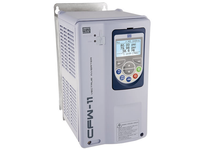
Image for Illustration purposes only. Actual product may vary
WEG CFW110012T5ON1NFZ CFW11 575V N1 12A ND VFD - CFW
MODEL CFW110012T5ON1NFZ
Contact supplier for technical support on: 800-ASK-4WEG
$1,918.72 Each
Prices are subject to change
FREE SHIPPING ON ORDERS OVER $1
Select Quantity
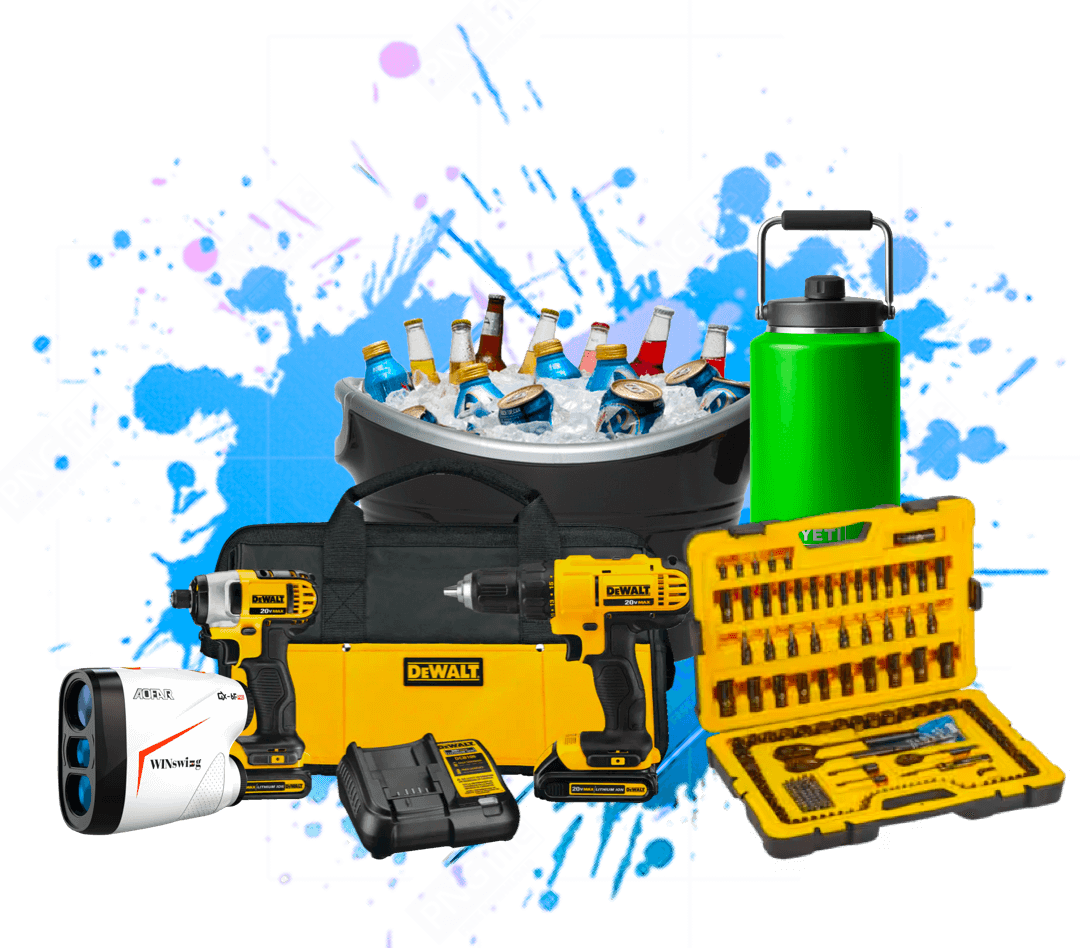
 Free Gift with this product
Typically Ships in: 1 day
Returnable: See conditions
Still Deciding?
Add this item to your saved items and easily come back later.
Enclosure
NEMA1/IP20
Rated current (HD)
10
Input phases
Three-phase
RFI filter
Without filter
Power supply
500-600 V
Electronic supply
Internal
Dynamic braking
Standard with braking
Safety stop
No
Configuration
With options
Rated current (ND)
12
Applications involving high inertia loads, when applied short time deceleration, a large amount of energy returns from the motor to the VSD. To handle this energy, reguilar VSDs have to dissipate it as heat in power resistors. Such resistors are usually large and some installation criteria must be considered due to their heat dissipation. As an alternative to the use of braking resistors, CFW11 features a special braking method in vector control mode known as Optimal Braking. This innovation delivers a high performance braking torque without requiring a braking resistor. The following graph shows the advantages of using Optimal Braking compared to other braking methods, thus ensuring an optimized and low cost solution for braking applications.
- Linear and adjustable V/F, VVW (Voltage Vector WEG) and vector control are available on CFW11
- Two types of vector control: sensorless and closed loop vector control (encoder Interface required)
- Sensorless vector control permits high torque and quick response in open loop, even at low speeds
- The self-tuning function sets the vector control or VVW with the motor and to application load used
- By the adjustable V/F control, it is possible, for example, to adjust a quadratic V/F curve, providing energy savings for quadratic torque loads (e.g.: centrifugal pumps and fans)
SKU: 2853624
Happy customer
My first time using MRO . The fast delivery " free" was fantastic .. received exactly what ordered at a very reasonable price , making my customer happy..
Read moreSKU: 1312372
New 40hp motor
We had our 40hp compressor go down. We determined over the weekend that a motor winding was bad. First think Monday morning I consulted with the techs at MRO and verified that the manufacturer had a replacement in stock so I placed the order. The new motor (600 lbs) arrived on Wednesday... WOW. Granted the motor was in Georgia and we are in Tennessee but still the service and speedy delivery was incredible!
Read moreSKU: 2521370
Centrifugal switch
Absolutely what I expected in much less time than I expected! Will definitely order again.
Read moreSKU: 1313760
Weg premium efficiency motors
MRO Supply Rocks - My motor shipped the next day, free shipping, and their price was the lowest that I could find. I will be pricing all our motors with them first.
Read moreWhen you get to checkout, you’ll be able to select a free gift! Depending on the cart value, you’ll be shown relevant gifts your order qualifies for.
$500
MRO Hat
MRO Golf Balls
MRO Hi-Vis Vests
MRO Mug
$750
32oz Water Bottle
Throw Blanket
30 piece Hex Set
Telescopic Pick Up
$1,250
Golf Cooler
11-in-1 Screw Driver Set
Gorilla Grip Knee Pad
John Deere Oilskin Hat
$2,500
Igloo 1/2 Gallon Jug
Rechargable Headlamp
Larix Trucker Hat
$5,000
Igloo 10 Gallon Cooler
Igloo Party Bucket Cooler
Klein Tools Speaker
Klein Tools 8-in-1
$7,500
GX-6F Pro Golf Range Finder
Bushnell Outdoorsman Speaker
Jaeger 24px Ratcheting Wrench Set
Aspen Beverage Bucket