










We never sell your data to third parties
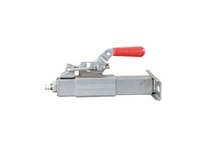
Link-Belt LC212 10410833 take-up bearing frame, welded steel construction, 12 in travel length, 26-1/4 in frame length. Designed for light-duty conveyor take-up applications, this frame accepts Link-Belt 200 series ball bearings. Frame pad width 3-1/8 in, mounting bolt size 3/8 in.
MODEL 10410833
Contact supplier for technical support on: 800-626-2120
$590.59 Each
Prices are subject to change
FREE SHIPPING ON ORDERS OVER $100
Select Quantity
Typically Ships in: 1 day
Returnable: Yes
Bearing Type
NO BEARING
Distance from frame bolt hole center to bearing centerline (in)
6.5625
Distance From Frame Mounting Surface to Rod Centerline (in)
1.34375
Distance from Mounting Surface to Top of Frame (in)
2.6875
Frame bolt hole spacing (in)
25.125
Frame Bolt Hole Spacing Between Paired Mounting Bolts (in)
24.125
Frame bolt hole spacing in width direction (in)
2.125
Frame length (in)
26.25
Frame Material
Welded Steel
Frame Mounting Pad Length (in)
2.1875
Frame Pad Width (in)
3.125
Frame type
Top Mount Protected Screw
Maximum Mounting Plate Bolt Hole Spacing (in)
7.25
Minimum Mounting Plate Bolt Hole Spacing (in)
3.75
Mounting bolt size (in)
3/8
Mounting pad height (in)
1/4
Mounting pad width (in)
2.375
Series
LC Take-up Frames
Size code
210
Take-up frame assembly type
Conveyor Take-Up Light Duty
Travel length (in)
12
Light Duty Conveyor Take-up Frame

How do I choose the right type of bearing for my application?
Start with the load and how it’s applied. You need to know if you’re dealing with radial loads, axial loads, or a mix of both. Then look at speed, operating environment, and space constraints. For example, ball bearings are great for high speed and lighter loads, while roller bearings handle heavier loads but usually at lower speeds. If there’s contamination, moisture, or heat involved, you may need sealed bearings or specific materials. In most cases, the right choice comes down to matching load type, speed, and environment to the bearing design.


