








Industrial Sensors
Start from what you need to sense, then narrow by type or brand.
Pick a sensing technology below. Each tile opens that sensor category; the chips under it jump straight to a sub-type or to one brand within it. Not sure which technology fits? The quick guide matches common targets to the right sensor.


Industrial Sensors | Choose by Sensing Technology | MROSupply
Quick guide: what are you sensing?
Each answer jumps to the matching technology below.
Detect presence & position
Discrete sensors that switch an output when a target is there.
How to choose
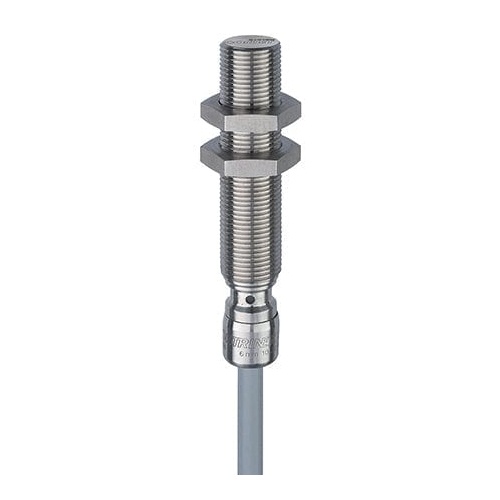
Typical sensing ranges run from about 1 mm to 40 mm, longer on larger sensing faces. Steel gives the full rated range; aluminium, brass and copper are sensed at a shorter distance. Used for end-of-travel, part-present and gear or cam position checks.
How to choose
Senses non-metal targets and can see through a non-metallic tank or bin wall, which makes it a common level sensor. Ranges are short, typically a few millimetres to a few tens of millimetres, and most models have an adjustable sensitivity.
How to choose
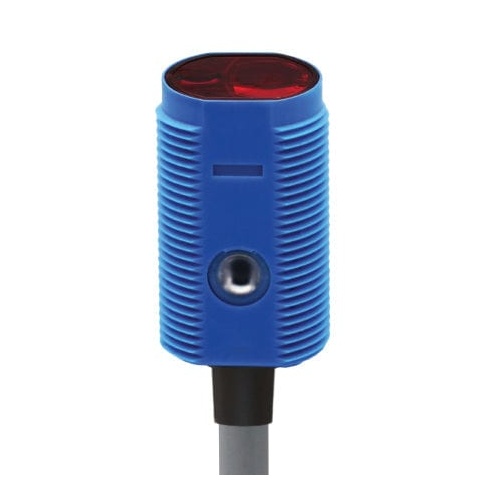
Through-beam (separate emitter and receiver) reaches farthest, retro-reflective uses a reflector, and diffuse types see the target itself. Ranges go from a few millimetres to tens of metres, so they suit conveyors, doors and anything too far away for a proximity sensor.
How to choose
A fiber head carries light to and from a separate amplifier, so only the slim fiber sits at the sensing point. Pick the head (through-beam or reflective, plastic or glass) and an amplifier to drive it.
How to choose
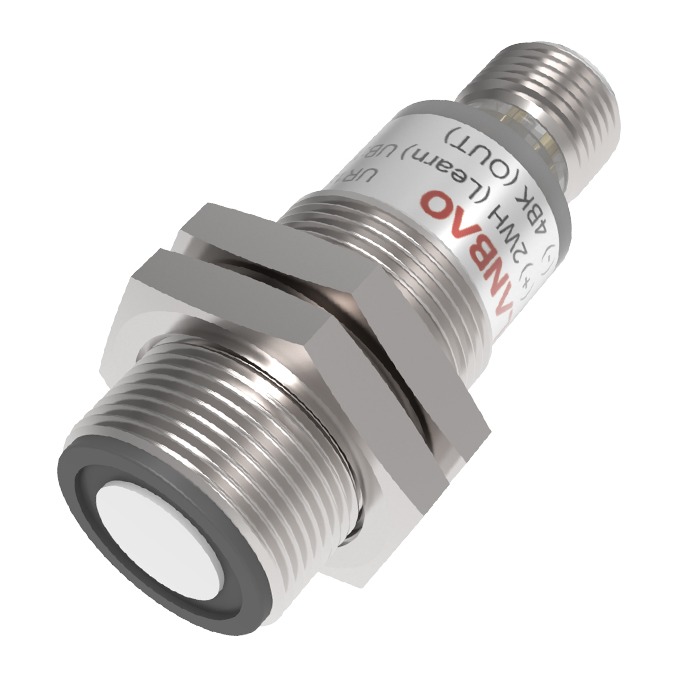
Color, transparency and gloss do not matter, so it handles clear bottles, film and liquid or bulk levels. Most models have a short blind zone right in front of the face; check it against the mounting distance.
How to choose
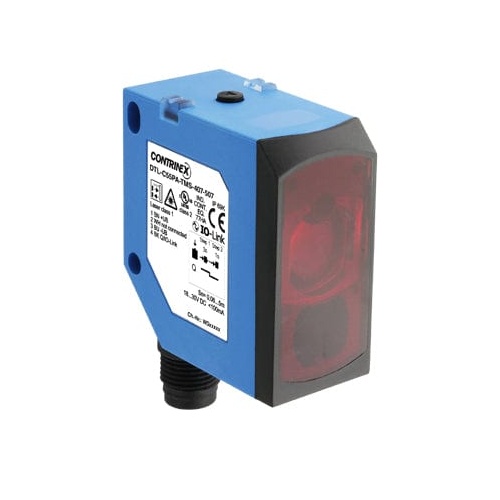
Laser and other measuring sensors return the distance as an analog (4–20 mA or 0–10 V) or digital value, for height, thickness, fill-level and positioning tasks.
Measure a process value
Sensors and transmitters that report how much: pressure, temperature, level, force or current.
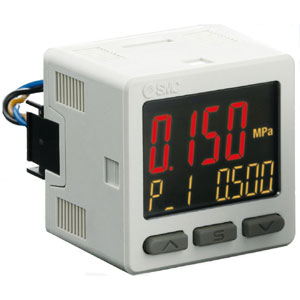
How to choose
From a simple set-point pressure switch to a transmitter or a digital switch with display and analog output. Check the pressure range, port thread, media and electrical connection.
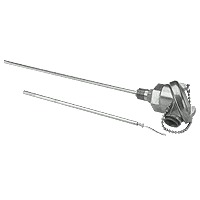
How to choose
Thermocouples, RTDs and probes. Match the sensor type (for example J, K or Pt100) to the controller input, then choose probe length, diameter and termination.

How to choose
Float, probe and flow switches plus flow monitors for process lines, tanks and pump systems. Check the media, wetted materials and process connection.
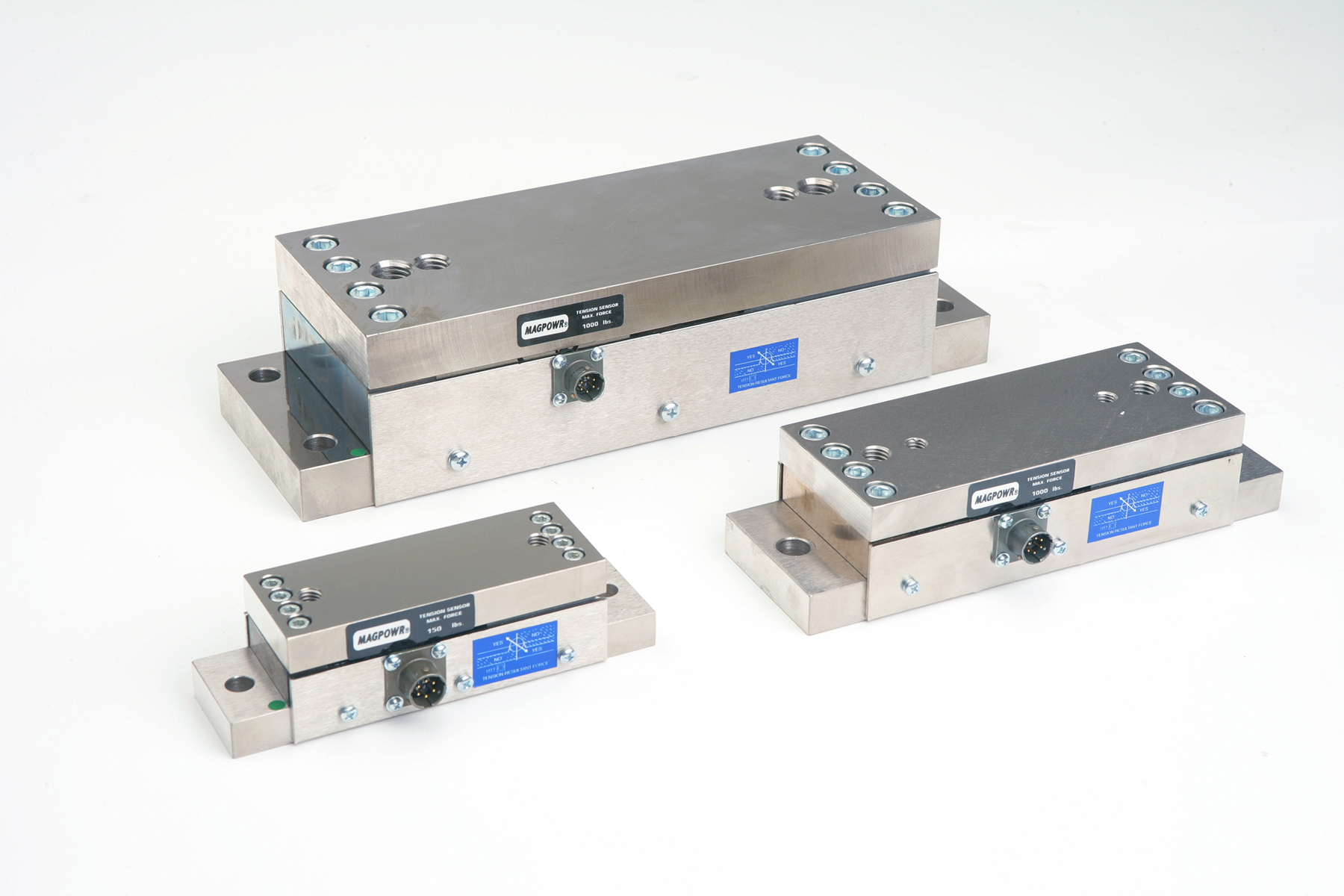
How to choose
Tension, compression and web-tension load cells that feed an indicator or controller. Size by rated load and mounting style.
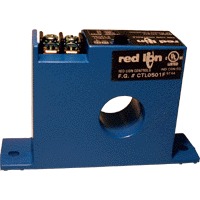
How to choose
Current sensors and transformers that tell a controller a motor or heater is running, jammed or unloaded, without breaking into the circuit.
Guard, identify & track motion
Safety light curtains, RFID, encoders and speed sensing.
How to choose
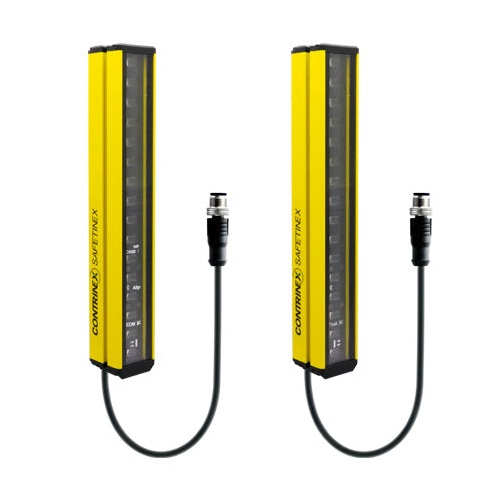
An emitter and receiver pair forms a field of beams across an opening. Safety-rated curtains guard machine access points; check the safety rating, resolution and protective height for the application.
How to choose
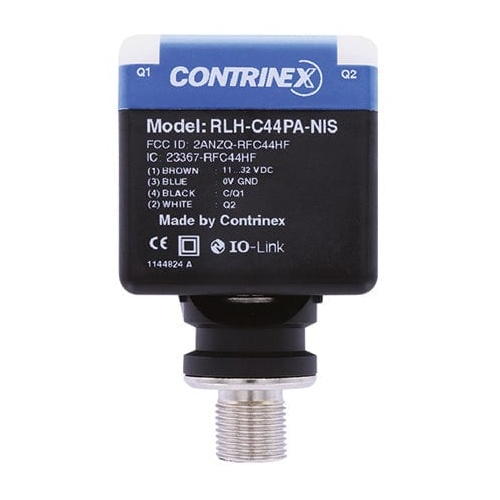
A reader-writer exchanges data with a tag on the item, for tool identification, pallet tracking and work-in-progress traceability.
How to choose
Incremental encoders count pulses for speed and relative position; absolute encoders report a unique position at power-up. Hollow-shaft types slip over the motor shaft, shaft types couple to it.
How to choose
Magnetic and Hall-effect pickups count gear teeth or targets; a speed switch trips an output at a set speed for underspeed or overspeed protection.
Connect & complete the install
Cables, signal conditioning, brackets and spare parts.
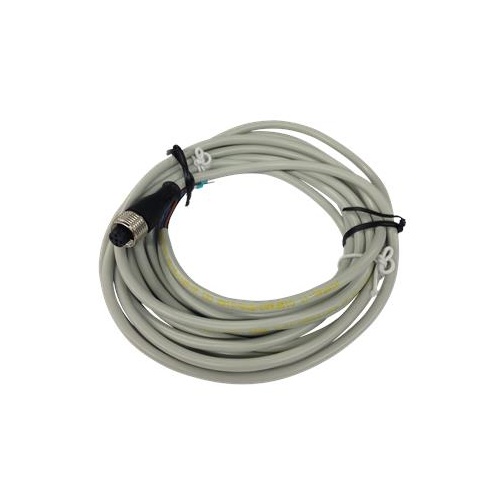
How to choose
Connector cordsets and extension cables. Match the connector size, pin count, straight or right-angle head and cable length.
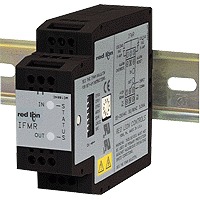
How to choose
Convert, isolate or scale a signal, for example a thermocouple to 4–20 mA, before it reaches a PLC or meter.
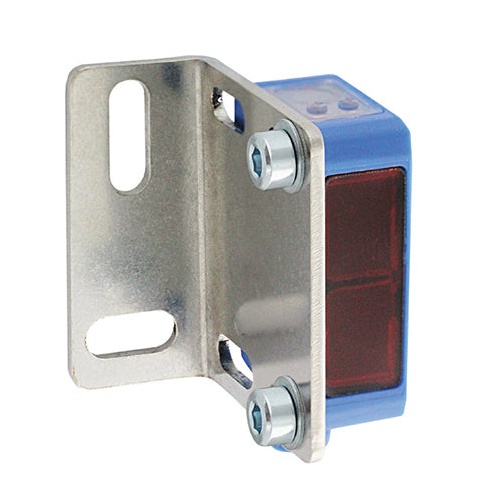
How to choose
Mounting brackets, reflectors, nuts and replacement parts that complete a sensor installation.
Still not sure?
Browse every sensor category, or contact us with the part number you are replacing or a short description of the target, range and output you need, and we will help you find a match.